Driving Change in Japan: My Conversation with Prime Minister Shigeru Ishiba on Mobility and Motorsport
Japan has always stood at the crossroads of tradition and innovation, blending deep-rooted passion for motorsport and mobility heritage, with cutting-edge automotive advancements.
As President of the FIA, I recently had the privilege of visiting this dynamic country, meeting its distinguished leaders including Prime Minister Shigeru Ishiba, and strengthening my Federation’s partnership with the Japan Automobile Federation and President Masayoshi Sakaguchi.
This visit reinforced what I have long believed: Japan is a beacon of progress in both mobility and motorsport.
My time with Prime Minister Shigeru Ishiba: Strengthening our commitment
My meeting with Prime Minister Ishiba reaffirmed our shared mission to transform global mobility and motorsport.
His leadership in promoting sustainable and innovative mobility solutions is setting a powerful precedent, ensuring that Japan remains at the forefront of advancements in transportation, investing annually over $38 billion in mobility infrastructure.
Throughout our discussions it became clear that Japan’s approach is a model for nations across the world. From sustainable fuels to smart infrastructure, Japan continues to push boundaries in ways that align with the FIA’s global mission.
Prime Minister Ishiba’s dedication to fostering innovation is equally clear in Japan’s motorsport industry. A surge in fan engagement and a growing pipeline of talented drivers, Japan is rapidly solidifying its status as a global motorsport hub.
I am greatly looking forward to my ongoing working alongside the Prime Minister and our teams in the coming months, turning our shared vision into tangible progress.
Japan’s Influence on Global Mobility
Japan is not just a country that builds cars – producing around 8.23 million vehicles annually, it is a nation that defines how the world moves.
With groundbreaking developments in sustainable mobility, artificial intelligence, and a community-first approach, Japan is shaping the future of transportation.
The nation’s policy structure focuses on sustainability, digitalisation, and resilience, Japan’s 2nd Basic Plan on Transport Policy encompasses both day-to-day benefits for the public, alongside pioneering world firsts in innovation such as autonomous vehicle trials and dynamic efforts for congestion reduction.
Japan’s innovation verges at times into what could feel like science fiction – magnetic levitation cars developed by researchers at the Okinawa Institute of Science and Technology eliminate the need for traditional engines and batteries, promising higher energy efficiency and a broad sustainable impact. We are entering an exciting new era for the automotive sector, and Japan is pushing the boundaries of expectation.
I was impressed by the government’s proactive approach to technology and efficient, and my discussions with key officials within the government, including Hiromasa Nakano, Minister of Land, Infrastructure, Transport, and Tourism, made it clear that what happens in Japan today will influence mobility worldwide for decades to come.
Motorsport’s Rising Powerhouse
The country’s passion for motorsport is contributing to a growing sporting scene and a stronger impact globally. From grassroots to FIA World Championships, Japan continues to set a high standard, and my time with Koji Murofushi, Commissioner of the Japan Sports Agency reinforced this.
During our discussions, we explored ways to further integrate motorsport into Japan’s broader sports ecosystem, ensuring sustainability and accessibility, and building on the 20% surge in licensed motorsport drivers over the past five years.
The FIA Formula 1 Japanese Grand Prix at Suzuka is an iconic race and will be a key feature in the recently announced 2026 calendar, scheduled to take place from March 27-29, drawing a record attendance year on year. Meanwhile, the FIA Formula E Tokyo E-Prix continues to highlight Japan’s commitment to sustainable motorsport, showcasing cutting-edge electric racing technology in one of the world’s most exciting urban environments.
Young talent is thriving, Yuki Tsuonda is a global star, and participation in motorsport is higher than ever. This isn’t just a country that loves racing, it is a country that nurtures champions and fosters innovation within the sport.
Outside of the FIA championships, sporting sub-cultures continue to grow. As the pioneer of drifting, evolving from the sport’s birthplace on the togue roads in the 1970s into today’s professional leagues such as the D1 Grand Prix, it’s clear Japan is a hub of innovation and culture in global motorsport.
And, the Japan Motorsport Products Market is projected to grow to $4.63 billion by 2035, with a compound annual growth rate of 7.02% thanks to increased fan engagement, government support for infrastructure development, and ongoing advancements in racing products – led by the likes of Toyota, Honda and Yamaha.
Japan and the UAE: An Enduring Partnership
As Japan continues to make strides in motorsport and mobility innovation, its partnership with the UAE remains central to expanding accessibility, enhancing safety, and driving forward the next era of mobility.
Japan continues to strengthen its position as the UAE’s leading Gulf trade partner, accounting for 43.6% of Japan’s total trade with Middle Eastern countries. In 2024, total trade volume reached $49.6 billion, a steady 1.2% growth vs. 2023.
The automotive sector remains a driving force behind this relationship, and I am proud to count Toyota CEO, Akio Toyoda, as a member of the FIA Senate. Last year, Japanese exports to the UAE totalled $12.73 billion, vehicles and the automotive industry leading the way at $4.7 billion, a marked 10.9% year-on-year growth fuelled by strong demand for SUVs, sedans, and hybrid vehicles.
This collaboration is not just about trade, it is about a shared vision for our global future.
The Road Ahead
Since taking office, I have worked tirelessly to rebuild the FIA’s foundations. Our Federation is now financially stable, marking the first time in nearly a decade that we are back in operational profit to a tune of €4.7 million. This stability ensures we can continue to deliver for our Member Clubs and their global initiatives, across mobility, motorsport, and beyond.
My vision is clear: to protect our heritage while embracing the future. Japan is a key part of this journey.
As I reflect on my visit, I am reminded that Japan is more than just a hub for mobility and motorsport. It is a symbol of what is possible when passion meets progress. The FIA will continue to champion innovation, sustainability, and accessibility, working alongside Japan to shape the next chapter in global mobility and motorsport.
Japan is moving forward. The FIA is on the cusp of a new era. And together, we will drive change.
MobilityFIA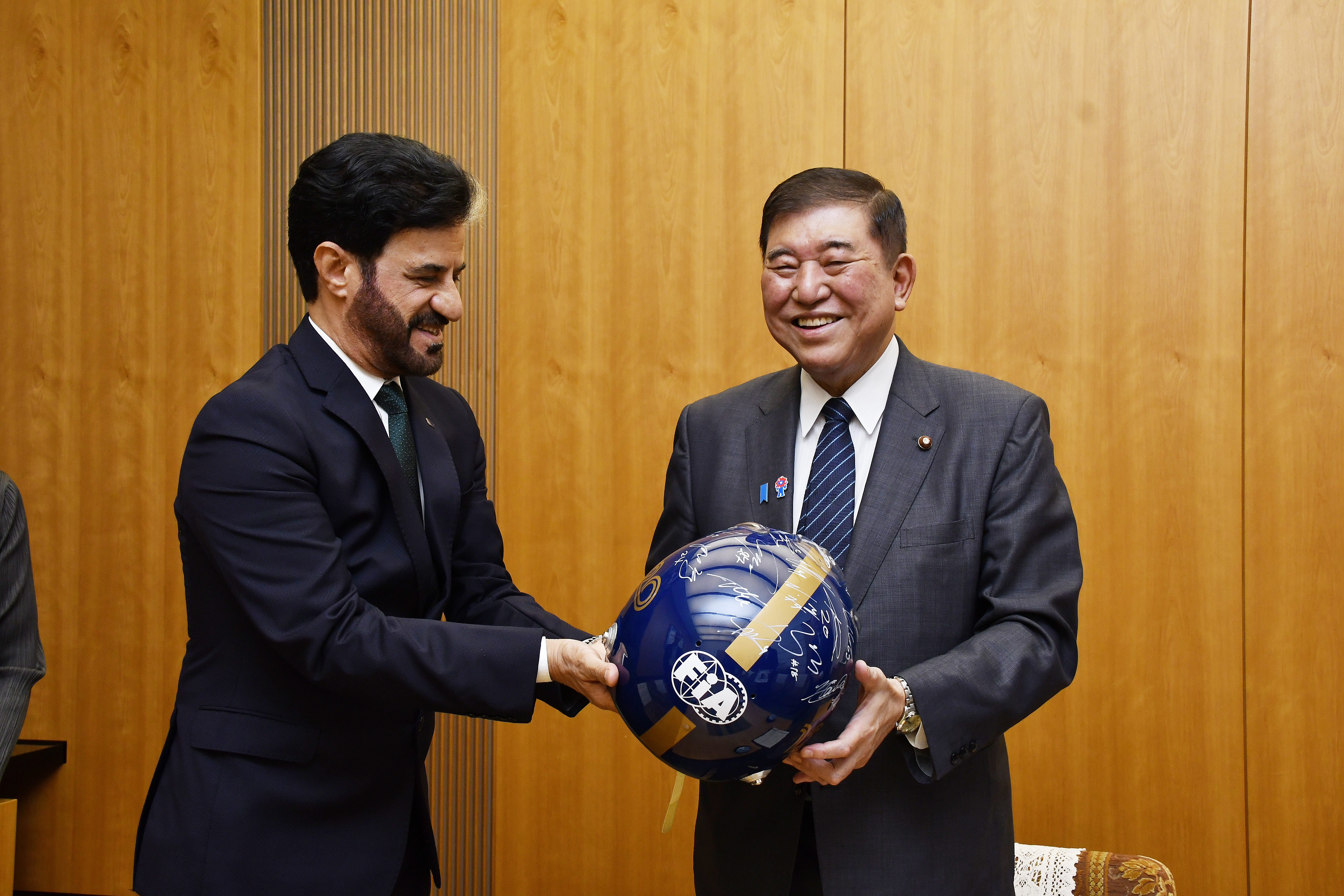 FIA1FIAFIAMobility00Friday, June 27, 2025 – 4:53pmFriday, June 27, 2025 – 4:53pm