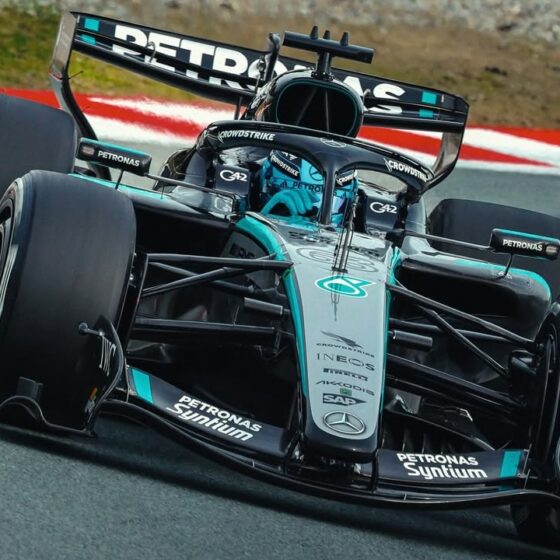
FIA’s engine compromise: A fair solution for Mercedes and its F1 rivals?

In the build-up to the new Formula 1 season, alongside energy management, much of the discussion has centred on two words: compression ratio. Put simply, it is the ratio between the volume of the cylinder when the piston is at the bottom of its stroke and the volume when the piston is at the top. To make the 2026 engine formula more accessible to newcomers and easier to work with fully sustainable …Keep reading
Five drivers with a point to prove in F1 2026

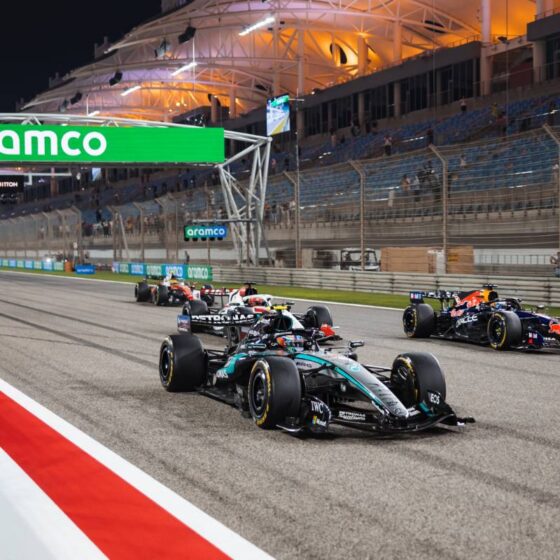
It is a big year for Formula 1 given it is debuting a completely new set of regulations in 2026, but there are some drivers who need to master the rule change more than others.
Whether it’s because they had a poor 2025, a poor last few years, or even simply as they’re joining a new team, there are five drivers who all have a point to prove as they chase a big season in 2026.
Here are …Keep reading

F1 abandons mandatory Monaco GP two-stop after 2025 controversy

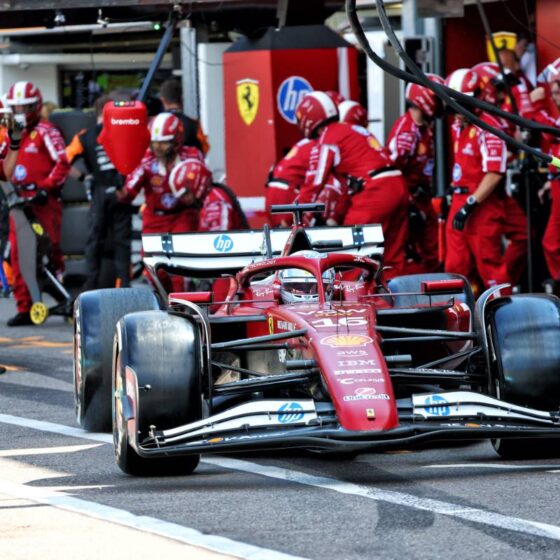
Formula 1 has abandoned plans to repeat its one-off Monaco Grand Prix pitstop rule in the wake of last year’s controversy.
With overtaking pretty much impossible in the streets of Monte Carlo, the FIA implemented the mandatory use of three tyre sets last year to force teams onto a two-stop strategy and hopefully unlock more strategic options and jeopardy.
But the idea didn’t have the …Keep reading

F1 engine manufacturers and FIA approve tweaks to compression ratio checks

Formula 1’s governing body the FIA says the series’ power unit manufacturers have unanimously approved changes to how engine compression ratios are measured, with revisions coming as early as 1 June.
The compression ratio of the V6 combustion engines, which measures how much the air-fuel mixture inside a cylinder can be compressed, has been reduced to 16:1 for this generation of power units – …Keep reading