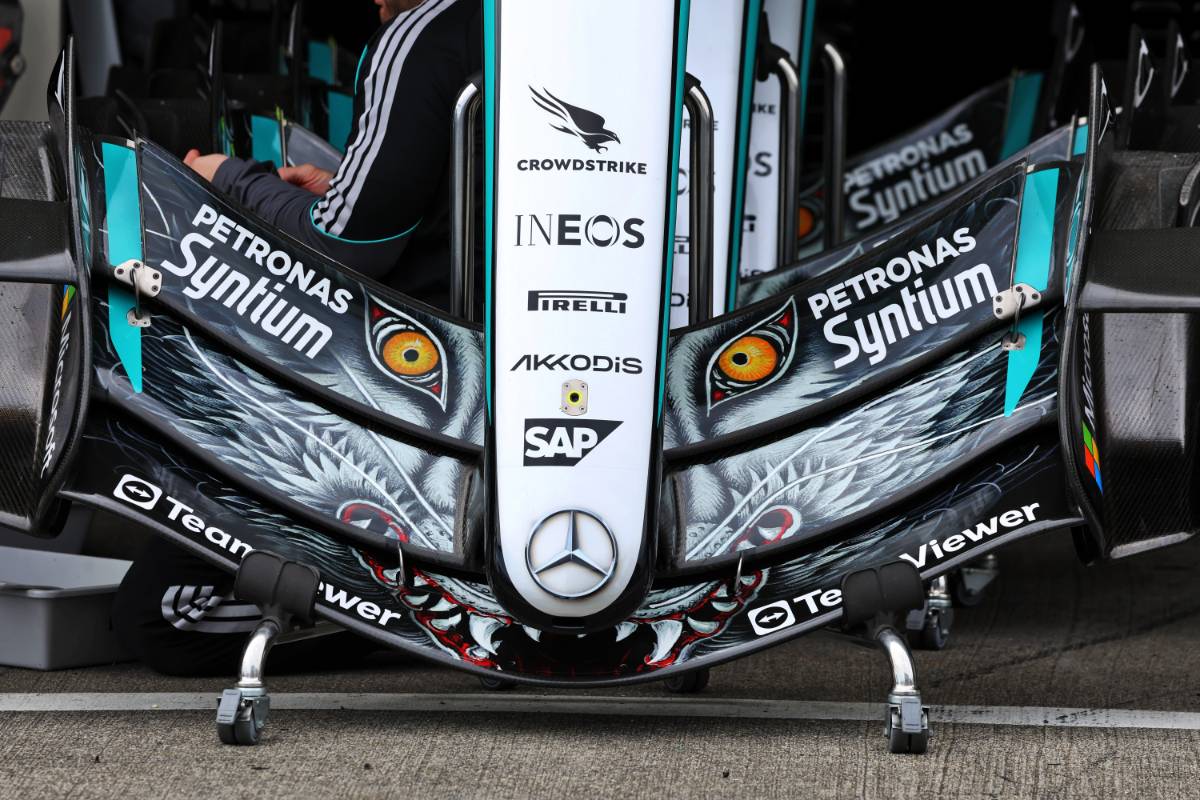
Mercedes may hold a commanding position in the standings as the season approaches its second half, but technical director James Allison warns that Formula 1’s “immature” new regulations are creating a relentless development arms race among competitors.
Despite building a 70-point cushion in the Constructors’ Championship with eight wins from eleven races, the Silver Arrows have felt their early advantage narrow.
Rivals McLaren and Ferrari have mounted a strong resurgence, capturing three of the last five victories thanks to aggressive upgrade packages.
According to Allison, the dramatic shifts in pace across the field is a direct result of how fresh and unexplored the current rules set remains.
Unprecedented wind tunnel gains
Speaking on the team’s podcast, Allison highlighted that the novel technical framework has unlocked exponential performance improvements across every team’s engineering department.
“One of the defining characteristics of this regulation cycle is just how immature the regulations still are,” he said on the Nu Silver Arrows Podcast.
“Development rates are enormous compared to previous years. On the aerodynamic side, the gain rate we’re seeing in the wind tunnel is roughly six or seven times greater than it was last season.”
This rapid pace of innovation translates directly to track performance, where teams are unlocking massive chunks of lap time in short periods.
“It’s roughly half a second every couple of months, which is a very significant rate of progress.”
The trade-off of an aggressive strategy
Mercedes’ initial dominance – which sees driver Kimi Antonelli holding a 50-point lead over Ferrari’s Lewis Hamilton – was no accident. The team intentionally compressed its pre-season timeline to maximize early aerodynamic learning.
“We made a conscious decision before the season to push the first car harder than we’ve ever pushed one before. We left things later than usual and effectively built a programme with almost no contingency,” Allison explained.
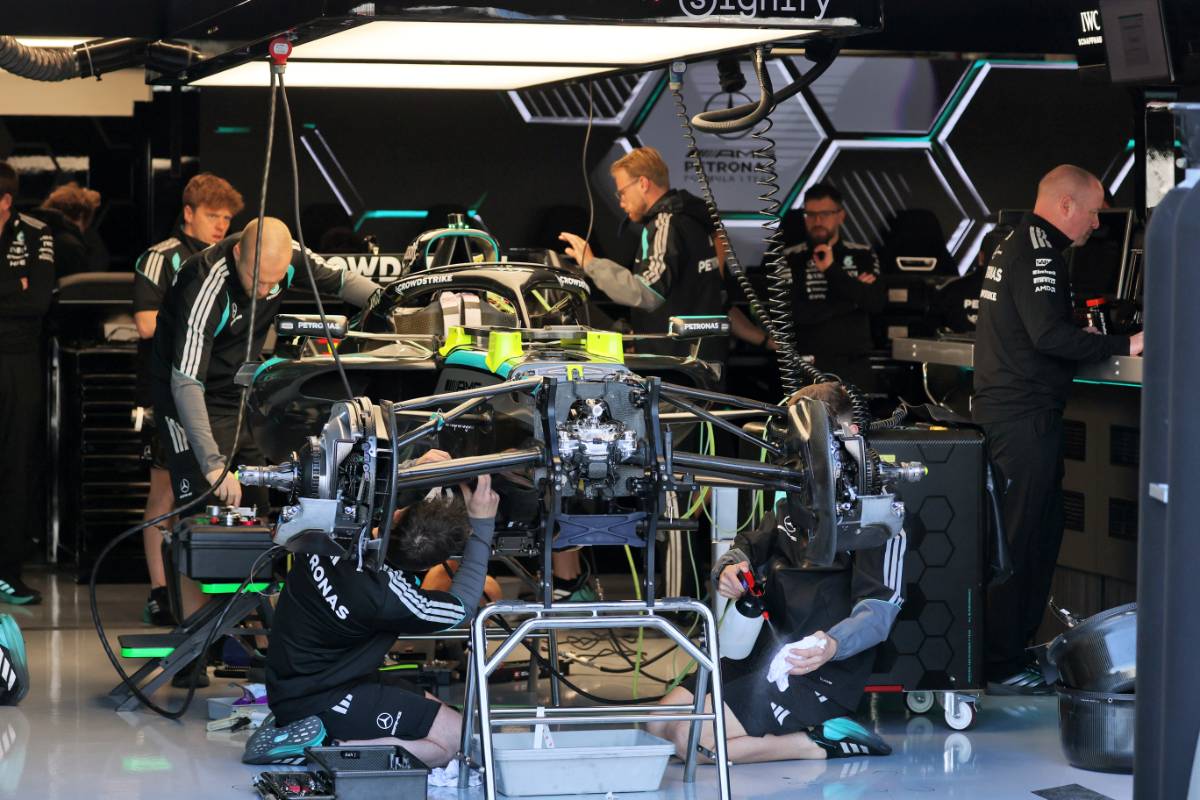
“The upside was that we were able to capture as much of that steep development curve as possible before the first race, which is why the car arrived with such a strong level of performance.
“The downside is that we essentially spent all of that performance upfront. Other teams finalised their cars earlier and were therefore able to begin developing upgrades earlier. We’re now slightly out of phase with some of our competitors.”
As a result, opponents have been able to roll out major performance steps while Mercedes reset its design cycle.
“They have been introducing upgrades while we’ve been rebuilding our development pipeline. What we’re seeing is that everyone is making gains at a broadly similar rate. That means the competitive picture can change very quickly,” Allison explained.
“Our objective is simply to keep our nose in front and ensure that the next wave of upgrades restores the advantage we built at the start of the season. In the meantime, we just have to ride out those moments when other teams arrive with significant new developments.”
With teams continuing to unlock the secrets of the new era, the hierarchy at the front of the grid remains fluid heading into the final stretch of the championship.
Keep up to date with all the F1 news via X and Facebook
The post Mercedes: Frantic F1 development pace sparked by ‘immature rules’ appeared first on F1i.com.